I lifted gold, glory and the weight of a nation
My story of carrying not just kilos, but the dreams of women in sport.
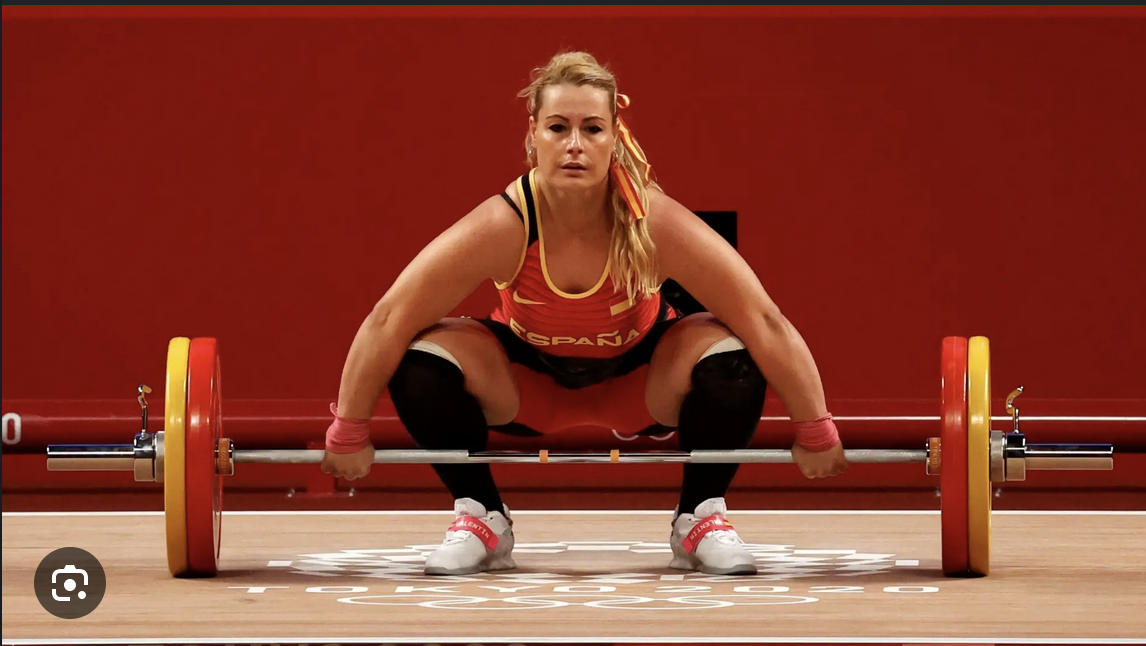
I lifted gold, glory and the weight of a nation
The first lift
I was just a girl in León, Spain, when I first touched a barbell. Most kids played football outside. I was shy, a bit awkward, but I had this deep need to test myself. My first coach gave me the bar, and I thought: this feels like home.
The barbell was cold. My hands shook. The weight wasn’t heavy yet, but it carried all the stares in the room. “Why her?” I heard whispers. At that time, girls were not supposed to lift. We were supposed to be graceful, light, polite. But I loved the opposite. I loved the strength, the fight, the sound of plates hitting the floor.
Every rep was rebellion.
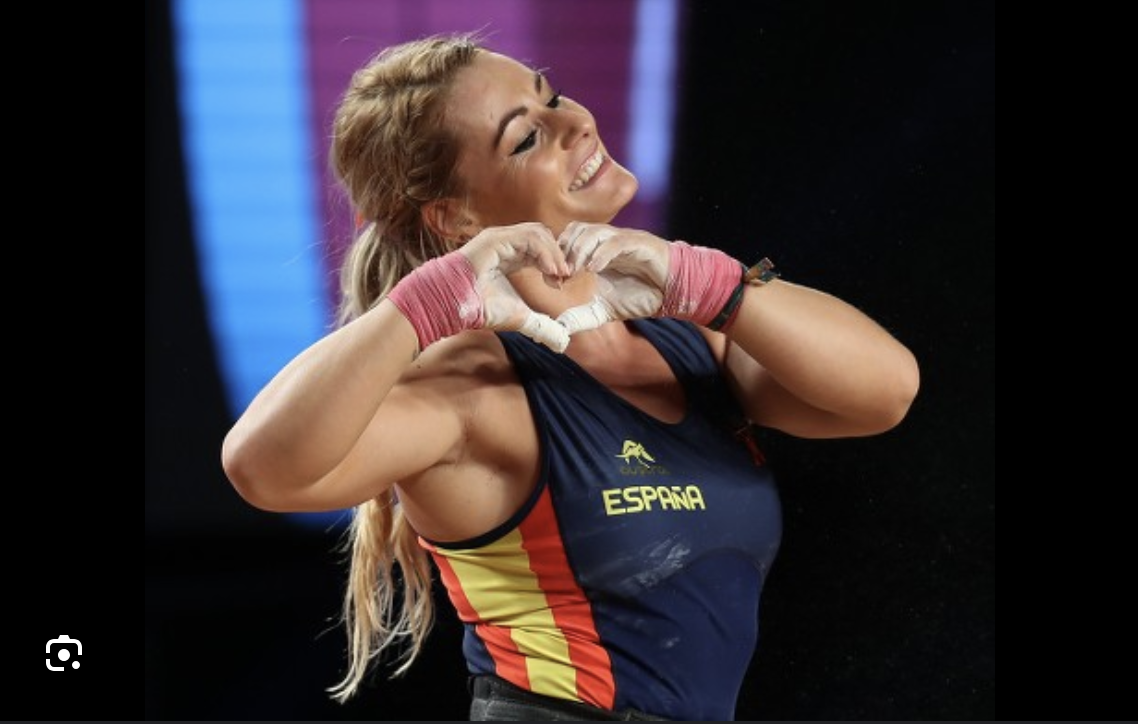
Growing stronger than doubt
The gym became my second home. Day after day, kilo after kilo, I grew stronger. Not just in muscle, but in mind. I learned discipline. I learned that sometimes you cry between sets and still finish the training.
People asked my parents, “Why weightlifting? She won’t go far.” But my mother told me: Do what you love, and let the results speak.
That gave me fuel. I wanted to prove that a girl from a small town could stand with the best in the world.
The breakthrough
My first big international competitions were terrifying. Bright lights. Judges staring. Silence before the lift. And then—boom—the crowd exploding.
I didn’t always win. Sometimes I failed. Sometimes I walked off the stage with tears. But failure never broke me. It carved me. It shaped me into the athlete I became.
By 2007, I started climbing the ranks. I felt Spain watching me. Not just the federation or the coaches, but young girls who saw me on TV. That’s when I understood: I wasn’t just lifting for myself anymore.
London 2012: the medal that came late
Standing in London at the Olympics was surreal. The dream of every athlete. I gave everything, but I didn’t get gold on that day. Or so I thought.
Years later, when doping cases were revealed, the medals were reshuffled. Suddenly, I was Olympic champion. Not with fireworks, not with the anthem playing in a packed arena. I received my gold in a quieter moment, years after the competition.
Strange? Yes. But also powerful. That medal told me: honesty pays, even if justice takes time.
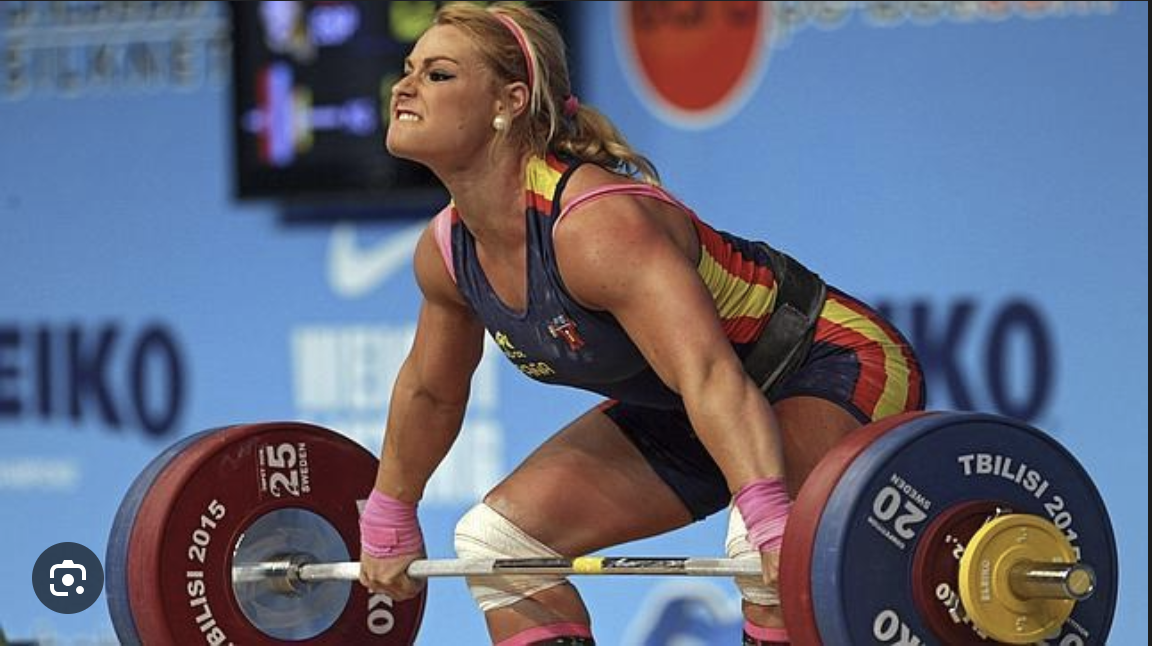
What fans gave me back
The medals shine, but the fans glow brighter. I will never forget the little girls who came to me, eyes wide, saying: “I want to be like you.” Or the mothers who whispered: “Thank you for showing our daughters they can be strong.”
When I walked into competitions, the Spanish flag waved high. Sometimes entire groups would chant my name. Those moments? They weighed more than the barbell.
The price of strength
But let me be honest. Strength has a price. Early mornings. Endless repetitions. Injuries that made me question everything. The body breaking down. The loneliness of training camps.
There were days I hated the barbell. Days I thought, I can’t do this anymore. But then I remembered why I started. To prove that women can stand tall in a sport that didn’t believe in us. To push myself beyond limits.
Every scar, every bruise, every missed lift—it was worth it.
A legacy of power
Today, I look back and see more than medals. European Champion four times. World Champion three times. Olympic gold, silver, bronze. But the numbers don’t tell the whole story.
The real story is that Spain now knows women can be strong. That gyms are filled with girls who no longer ask for permission. That power is no longer just masculine.
My legacy is not just on paper. It lives in every woman who dares to grab the bar.
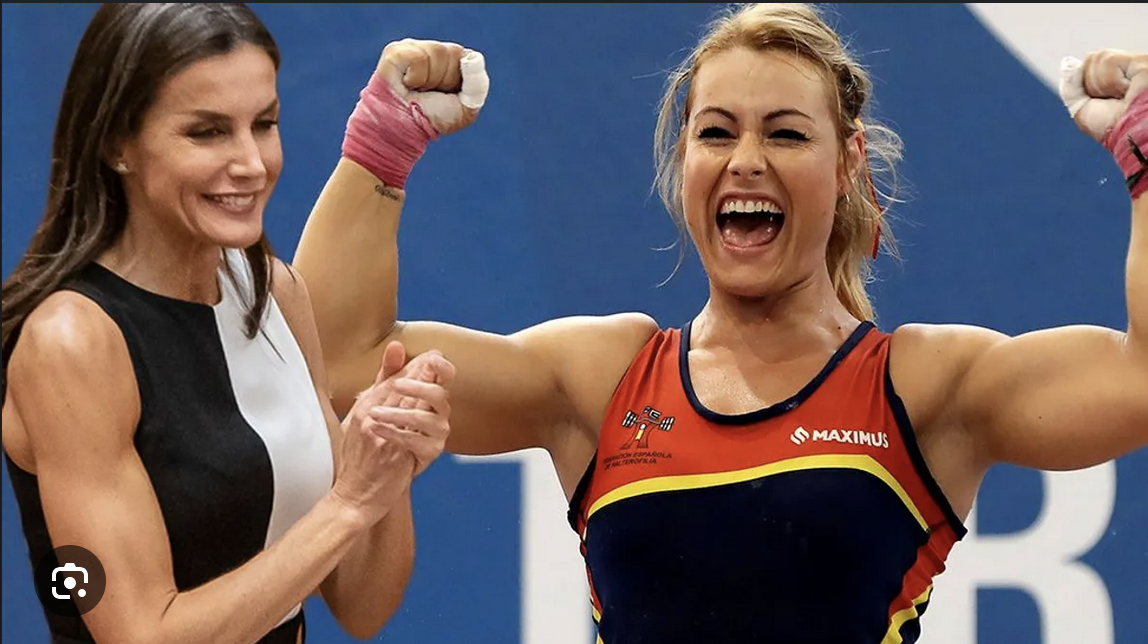
What comes next
I don’t lift in silence anymore. I speak. I share. I show young athletes that their path doesn’t have to be the same as mine, but it can be inspired by it.
The barbell taught me that strength is not only about kilos. It’s about carrying yourself with pride. It’s about standing up again and again.
And so my next chapter is simple: to keep lifting—not just weights, but voices, stories, and dreams.
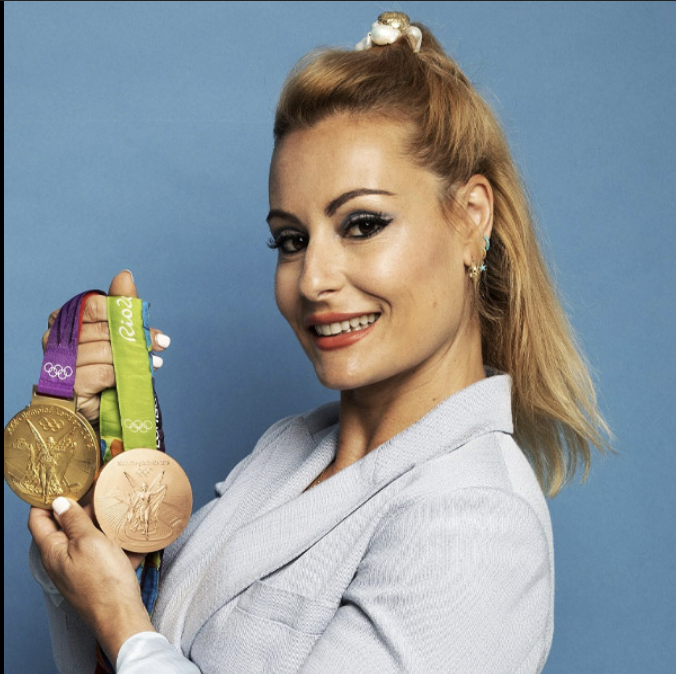
Olympic champion and trailblazer for women in Spanish sport.
.png)