My fans are the best. A story beyond trophies and titles
Tennis star Iga Świątek shares how her fans inspire her, from letters and flags to unforgettable encounters that mean more than trophies.
Beyond the baseline: my connection with fans around the world
Stepping into the spotlight
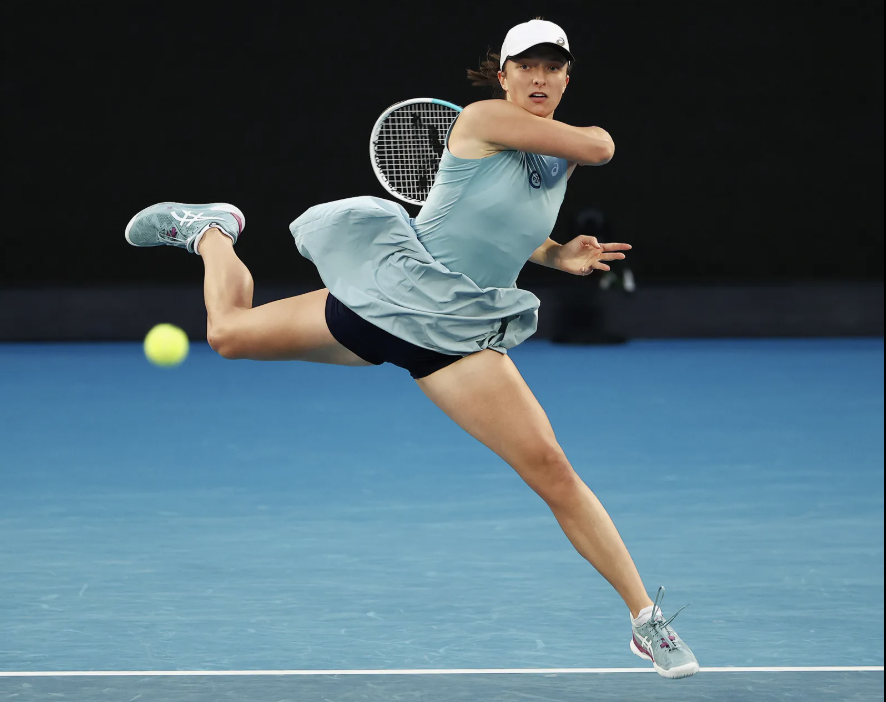
When I won Roland Garros in 2020, I was just 19 years old. Overnight, everything changed. Suddenly I wasn’t only Iga, a girl from Poland who loved tennis—I was a Grand Slam champion, a player the world was watching.
At first, it felt overwhelming. Crowds cheered my name, journalists asked for interviews, and suddenly I was ranked among the very best. But what surprised me most was not the trophies or headlines—it was the faces of young fans who started looking up to me.
A girl in the stands
I remember one match in Paris clearly. I had just finished a tough three-set battle. My legs were heavy, my mind was exhausted, and I wanted nothing more than to sit in silence. But as I walked off court, I saw her: a little girl, maybe ten years old, holding a handmade sign that read: “Iga, you inspire me to be strong.”
Her eyes were wide, full of hope. She didn’t scream or wave frantically—she just stood there, waiting. Something inside me told me to stop. I walked over, smiled, and handed her my wristband. The way her face lit up—tears and laughter at the same time—will stay with me forever.
Later, I learned she had just started playing tennis because of me. She told her parents she wanted to “be brave like Iga.” That moment meant more to me than any statistic or ranking.
Letters that matter more than trophies
Since then, I’ve received countless letters from fans. Many are from girls in Poland who tell me about their struggles—at school, with confidence, sometimes even with illness. They tell me that watching me fight on court gives them courage.
When I feel the pressure of being world number one—the expectations, the comparisons, the constant spotlight—I often return to those letters. They remind me that I am not only playing for myself. I am playing for every child who believes in me, for every girl who sees herself in my story.
Giving back after matches
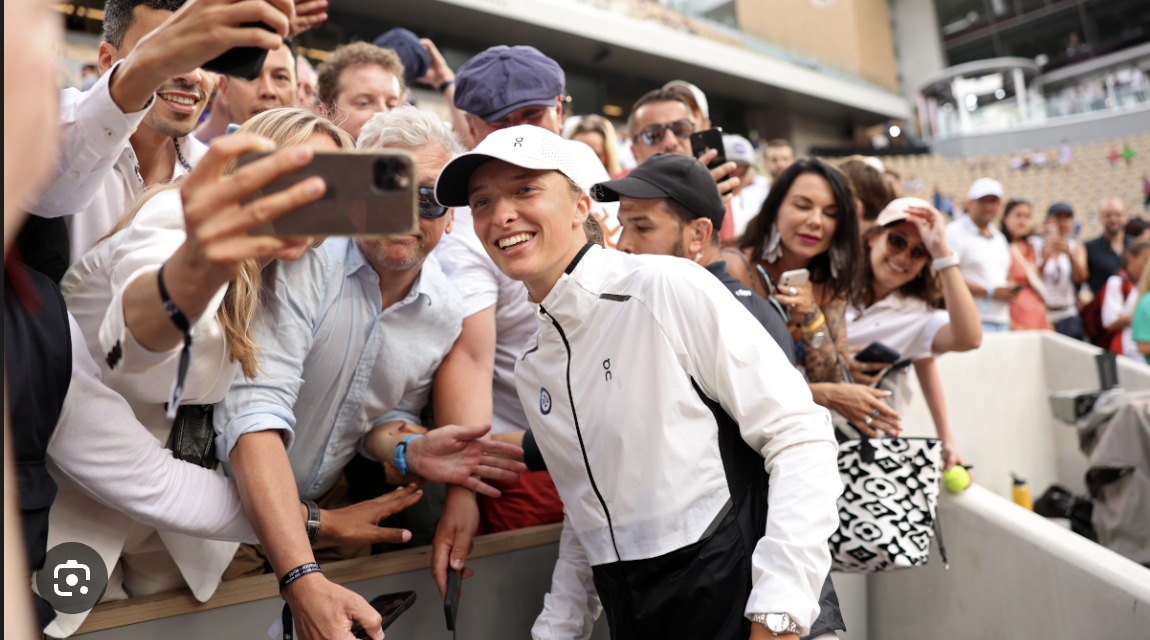
This is why I try to give as much time as possible to fans. Signing autographs, taking selfies, giving away headbands or wristbands—it may seem like a small gesture, but I know it can last a lifetime for someone else.
I remember how I felt as a kid, watching Rafa Nadal or Agnieszka Radwańska on TV, dreaming of standing where they stood. I never had the chance to meet them back then, but I know what it would have meant. Now that I can create that feeling for someone else, I see it as part of my job—and also my joy.
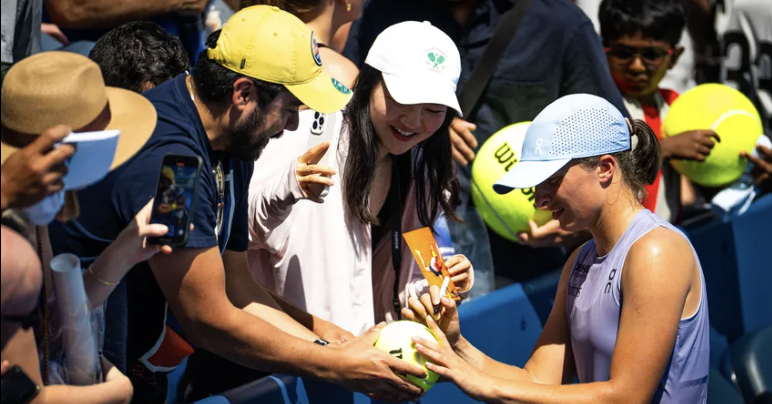
Fans as part of my journey
My fans don’t just sit in the stands—they travel with me. In Paris, London, New York, and Melbourne, I see Polish flags waving. Sometimes I even hear Polish songs echoing through the courts. It feels like home, even when I’m thousands of kilometers away.
There are fans who follow me around the world, who spend their savings just to be in the crowd. When I notice them, when I wave back or say thank you, I know that these connections are as much a part of my career as my forehand or serve.
More than a champion
Of course, I want to keep winning. I dream of more Grand Slams, more records, more history. But I also want to be remembered for more than that.
I want to be remembered as someone who made people feel seen, who inspired young kids to be strong, who gave courage to those who doubted themselves.
Because in the end, trophies will gather dust, but the smiles of fans, the letters, the handshakes, the small connections—they stay alive forever.
That’s why I always say: I don’t just play for myself. I play for my fans too.
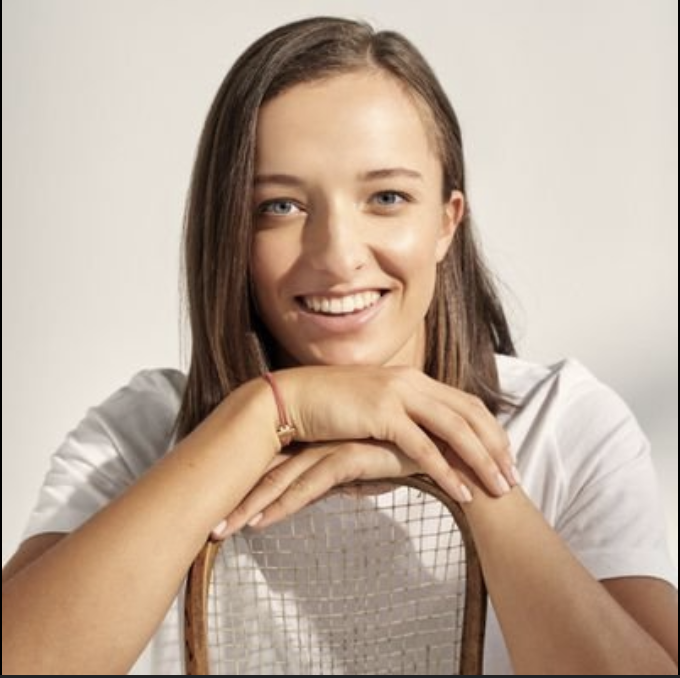
Polish professional tennis player and current world number one
.png)